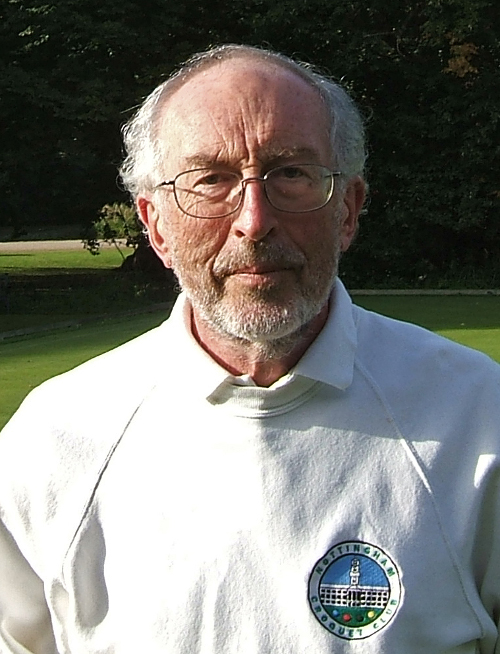
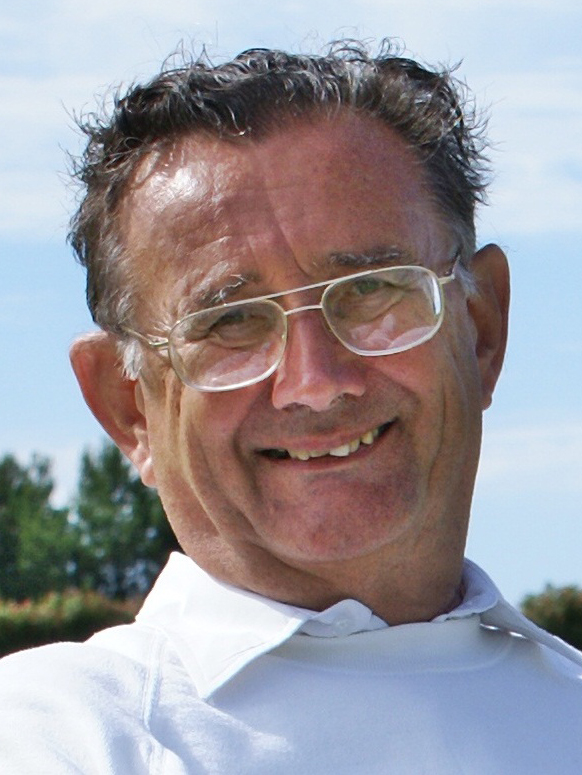
 Ian VincentIan Vincent
Ian Vincent was awarded a Council Medal because of his outstanding services to croquet at club, national and international level for over 40 years.
Ian has been Hon. Secretary of the Nottingham club since 1978, guiding club Chairmen and Presidents through countless agendas and developing very useful contacts with local authority officials. He has managed the East Midlands Championship since its inception and the club's August Week from 1982 to 2002. But Ian has always had his feet on the ground at Nottingham, bringing on beginners and doing his stint in the kitchen when tournament catering is needed. His contribution to the life and growth of the club has been truly remarkable.
Ian has been a long-standing member of the Croquet Association Council and was its Chairman from 2003-2006. Over many years Ian has been an examining referee and chaired the International and CA AC Laws committees, steering them along true and rational paths. He became the Secretary of the Association in 2008 and in that capacity continues to make many contributions above and beyond the call of duty. He has found time to play to a standard where he is a regular among the invitation Eights and he has played in 36 consecutive Open Championships.
Ian is the father of the Nottingham Board, a mailing list by which croquet players exchange knowledge and abuse, sometimes to the wider benefit of the game. He has maintained it for twenty years and has also contributed greatly to the smooth running and effectiveness of the CA's Information and Communications Technology.
Ian Vincent's first degree was taken at Cambridge in Natural Sciences, but he was based at Sussex for his doctorate in theoretical chemistry. 'The Good Doctor' moved on to provide a working computer system for the students at Nottingham. He is a music enthusiast and the Opens at Cheltenham are a particular delight for him when that tournament coincides with the music festival. He is a regular in the tower at Beeston church ringing bells, and in the adjacent pub afterwards. It is speculated that Ian has done more peals of triples than triple peels.
Ian is a keen hill walker. On a recent trip to New Zealand he showed a croquet player's characteristic disregard for written notices and decided that the instruction "Do not walk past this point" did not apply to him. He was rescued the following day by a Kiwi State helicopter.
Over and above all the specific details of his roles and activities, Ian consistently demonstrates an understanding of people and their views, nurturing their contributions without any upset. Beyond all doubt he is a worthy recipient of a Council Medal.
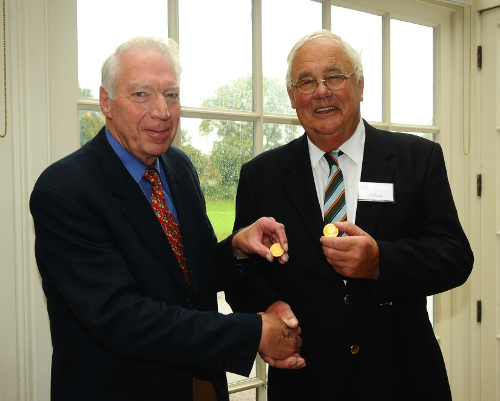 Roger Bray and Bill Arliss (L to R)
Bill Arliss has been the main driving force behind the development of Golf Croquet in the Croquet Association's domain, from being a relaxing diversion at the end of a day's play to a competitive sport in its own right. Whilst always eager for it to be given parity with Association Croquet, which he also played for Sussex, he fought to ensure that it was played in the same spirit and to avoid the formation of a rival governing body. Bill was elected a member of Council in 1995 and became Chairman in 1997, following the sudden death of his predecessor, Stephen Badger. He oversaw the introduction of the Management Committee and the devolvement of powers to standing committees. He then chaired the Golf Croquet Committee and its successor GC Tournaments and Laws Committees. An engineer by training, his high speed video of several strokes did much to improve understanding of the dynamics of mallets, hoops and balls. Other innovations were the website and GC ranking system, both of which he ran for a number of years. Internationally, he has represented the CA on the WCF's Golf Croquet Rules Committee, organised the 2004 GC World Championship and played in three of them. Bill has published a book covering the more advanced tactics in Golf Croquet and has been on the committee of the South East & London Federation since 1994 and its Chairman since 2002.
Bill has always been a forceful debater on croquet matters and he has ruffled some feathers along the way. However croquet players generally, not just those of the form he came to champion, have much to thank Bill for. His contribution to our sport has indeed been outstanding.
Roger Bray played for the winning Great Britain team in the 1969 MacRobertson Shield tour to Australia, and was reportedly a master of the three-ball break. However, it was after he retired from top-level play that Roger made his most substantial contribution to the sport, as an administrator.
A mathematician, he worked at Essex University and the Royal Institution, and was Chairman of the Colchester Club from 1973 to 1982. Elected to the CA Council in 1968, he became its Chairman from 1978-80 and retired from it in 1984. However, he returned to become Hon. Treasurer in 1992, when Alan Oldham retired after 25 years in the post, and has himself served over 20 years in that role.
During that time he has guided the Association to a position of relative financial security, weathering the storm that resulted from the withdrawal of Sports Council support. It is a measure of his success that the CA is now able to give development grants to clubs amounting to some £30,000 each year, so both club and individual members of the Association have good reason to thank Roger for his careful husbandry of our resources. Council's award of this Medal recognizes his immense service to croquet over many years.
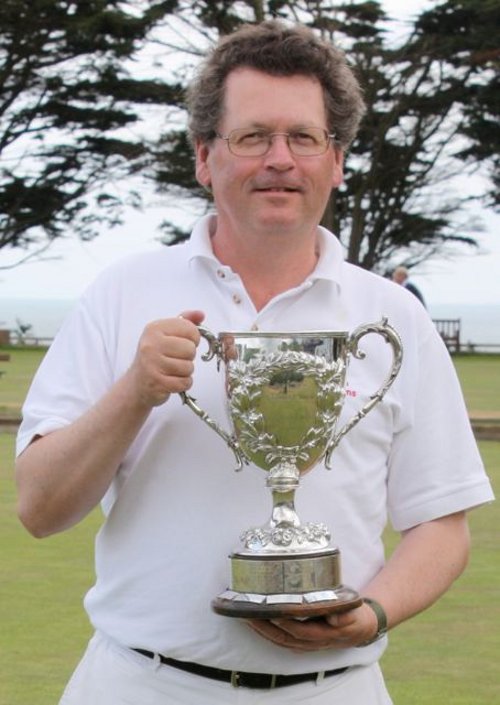 Chris Williams
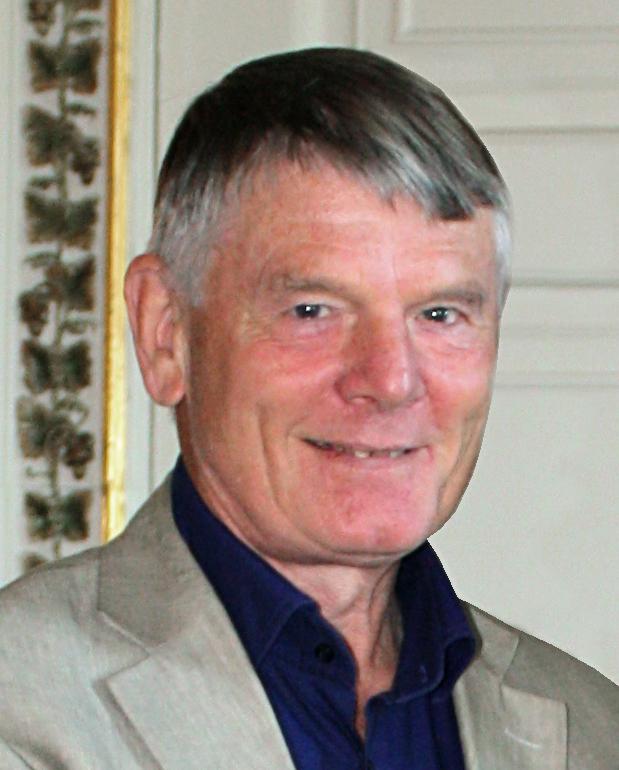 George Noble
George Noble started playing croquet in the grounds of a 'stately home' near Aberystwyth where he was employed as a farm adviser by the then Ministry of Agriculture. Brian Shorney was also a graduate of that croquet academy. In 1974 George secured a move to Loughborough to be near a croquet club and joined a group of young players at the Nottingham club, who were discovering the A class game. Then to London where he joined the administrative civil service and dealt with such matters as the Spanish fisheries war, where he spent much time before the Beak in the European Court of Justice, the Foot and Mouth crisis and, finally, animal welfare. George is happy to take some of the credit for the ban on dog tail docking.
In London, George joined the Roehampton club. He won the Men's Championship in 1979, played for the first time in the Opens the following year, and was subsequently invited to play in the President's Cup. He was also appointed an Examining Referee.
Feeling the need for a dedicated and more accessible croquet club in SW London he, along with a number of others including Ian Bond, Derek Caporn, Stephen Mulliner, Brian Whitehouse and Lionel Wharrad, persuaded the CA to take on a lease of a ground with space for seven lawns in Alexandra Park, Tolworth and formed the Surbiton Croquet Club in 1986. At the start there were no facilities, just a disused public convenience that served as an equipment shed ... which led to a somewhat rustic feel to the early tournaments. However, with grants from the Sports Council, the Croquet Association and Fullers Brewery, a wooden clubhouse was erected, complete with a cellar that George has managed to this day. He has also spent many hours in the kitchen, following the standard set by Hazel Kittermaster, with the result that the club's catering is awarded stars throughout the croquet world. His real pride and joy, however, has been the lawns, which he has converted over the years from rough, sloping, former tennis courts to some of the best in the country. Rather than keep his knowledge to himself, he has been very willing to share it through the CA's Lawn Advisory Group.
Despite being heavily involved at Surbiton, George has also given considerable assistance to the Hunstanton Club. He was its President from 1996 to 2006, during the period of the fire and building of its new pavilion.
George Noble's contribution to these clubs, and through them to so many tournament players, has been immense and fully deserves the award of the Council Medal.
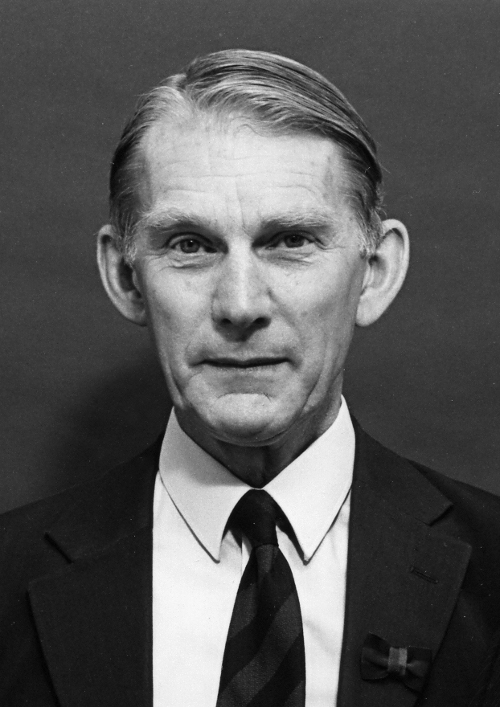 Prof. Bernard Neal
But his prowess on the croquet court is more than matched by his contributions to the game off it. He was elected to Council in 1966 and in the following year was appointed Chairman of the Publicity Committee. He led discussions with the newly-formed Sports Council which resulted in annual grants to the CA, eventually spanning twenty-eight years and making a huge contribution to the CA's finances. The first grant aid, in 1970, provided financial support for the CA to initiate a development programme and the first development officers to be appointed were Barbara Meachem and Liz Neal. The momentum they generated eventually led to the appointment of a National Development Officer and the establishment of the CA's Coaching and Development Committees.
Bernard's balanced judgement and tact made him an obvious choice to be Manager of the 1969 Test Team. He won universal praise from the Australians and New Zealanders during the tour and, since then, he has been a highly respected unofficial ambassador for the CA on the world Croquet stage. In September 2010 Bernard was inducted into the World Croquet Federation's Hall of Fame.
Following three years as Publicity Chairman, Bernard was elected Vice-Chairman of Council from 1970 to 1972 and Chairman from 1972 to 1974. He then served on numerous Council committees, many as chairman. When he was Chairman of the Laws Committee he wrote The Basic Laws - just one example of his tireless efforts to improve the CA's provision for its members. As an internationally respected civil engineer, Bernard was instrumental in making the CA see the benefits arising from standard specifications for croquet equipment. He led from the front in devising ball-testing equipment and chairing the Equipment Committee.
Bernard has so often acted in an effective way to help the Association. In 2002, when the CA's headquarters moved to his home club, Cheltenham, where he has been President since 1995, Bernard (with other club members) did their utmost to make the transition as smooth, and the welcome as warm, as possible. In 2004, Bernard was the obvious choice to succeed John Solomon as President of the Croquet Association, a position he decided to relinquish at last year's AGM.
Bernard was a highly competitive county tennis player and is a long-standing member of the All England Lawn Tennis and Croquet Club, serving on its main committee for many years until 1996 when he was elected to a Vice-Presidency. Bernard won more Wimbledon championships than any other person - a good pub quiz question! He was one of a small group of members who effectively resurrected croquet at Wimbledon in the post-war era, and it is largely due to Bernard's influence that it now has a much closer relationship with the CA. The Croquet Exhibition at Wimbledon during the CA's centenary year, the gift of the Wimbledon Cup for the World Croquet Championship, and several notable CA functions held at Wimbledon, would never have happened but for his behind-the-scenes work.
Bernard prefers quiet diplomacy and is modest about his achievements. Thus it is impossible to chronicle how generous and supportive he, and Liz, have been to many (especially younger) players. But what has been noticed here gives ample evidence that the CA, and the whole croquet world, owe an enormous debt of gratitude to someone who has worked ceaselessly for Croquet for well over forty years and who, by setting the highest standards in all that he has done, is most certainly a worthy recipient of the Council Medal.
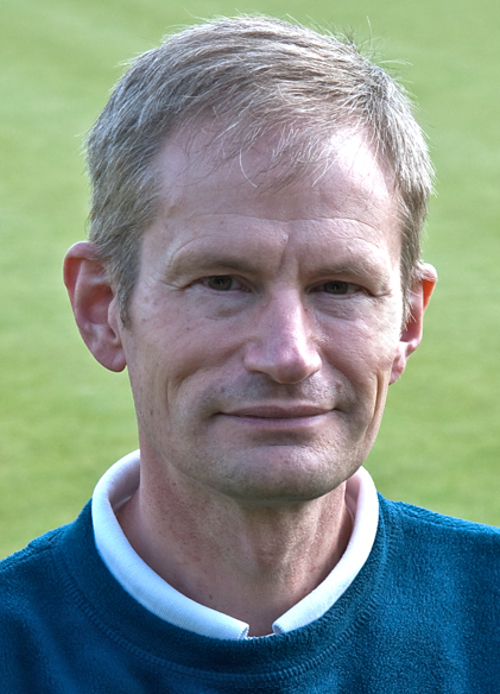 Dr Ian Plummer
He has applied both his theoretical and practical scientific skills for the benefit of croquet, working with other players and the CA Equipment Committee to investigate a number of technical issues, including high speed ball and mallet interactions via video, electrical contact and carbon paper. His calculations of the time/distance relationship for balls as they slow down have been recognised by naming a measure of lawn speed after him.
Although he has never been part of the management structure of the CA, preferring the freedom of operating outside, he has nevertheless been active in stimulating its development, particularly in the areas of web and database technology and online publishing. He formatted the first edition of the laws to appear online, encouraged the publication of the directory and fixtures book, and has piloted online tournament vacancy information for the Surbiton club, where he plays when not at Oxford. His contribution to croquet in several fields makes him a worthy first recipient of the Council Medal under its recently adopted wider criteria.
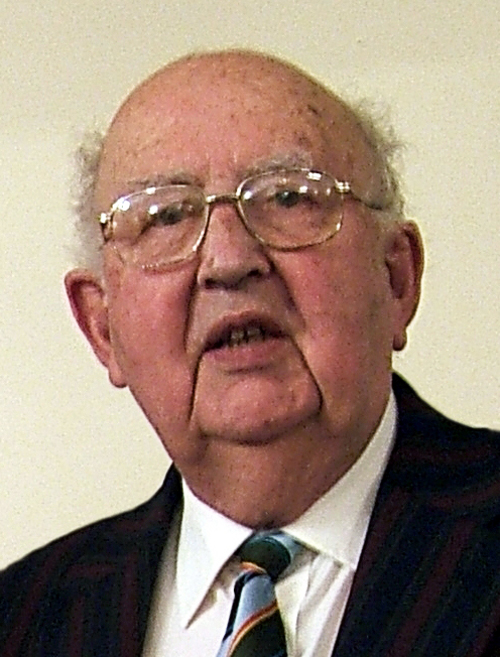 Derek Trotman
In earlier years, he was heavily involved in the administration of hockey, and brought his experience of that to the Council table. In addition to his contribution nationally, he has been heavily involved with Croquet North and the Tyneside Club.
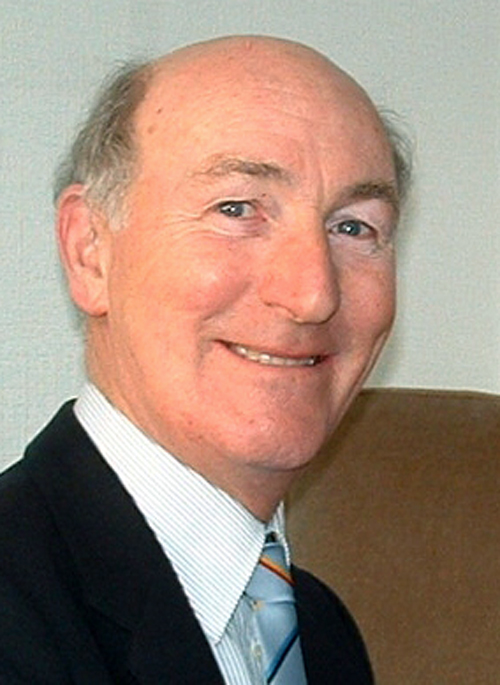 David Magee
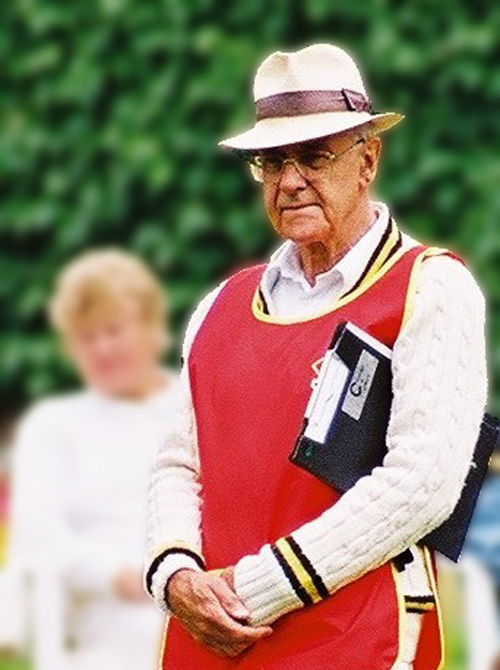 Alan Oldham
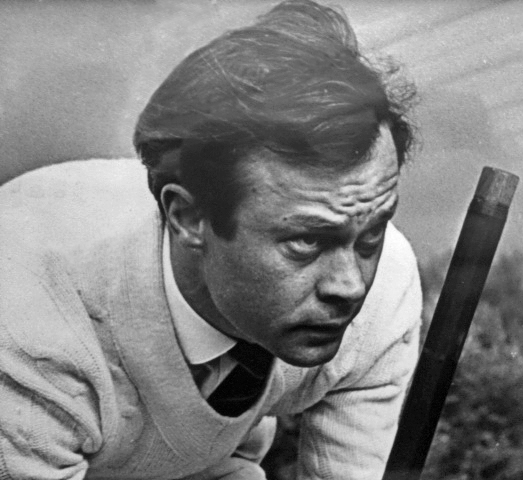 John Solomon
Bernard Neal, who succeeded John as President, praised John's achievements both on court and in the development of the game throughout the world, particularly in the USA.
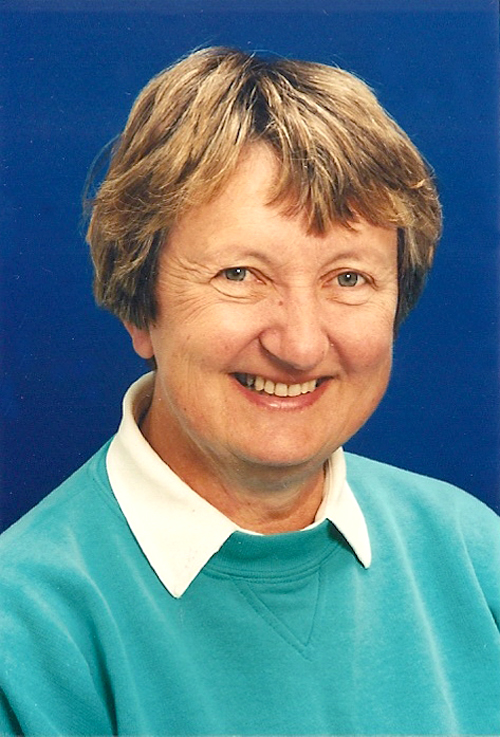 Judy Anderson
CA Vice-President, Lionel Wharrad, says "I do not know of a more deserving recipient. Her contribution to the game over the past 20 years has been immense".
And Quiller Barrett, Chairman of Council, adds "Judy is one of those people who have their feet firmly on the ground and knows just how to give really practical help to clubs and croquet players. I am sure there are hundreds of club members who will want to congratulate Judy and thank her for everything she has done to develop croquet so successfully, particularly in East Anglia".
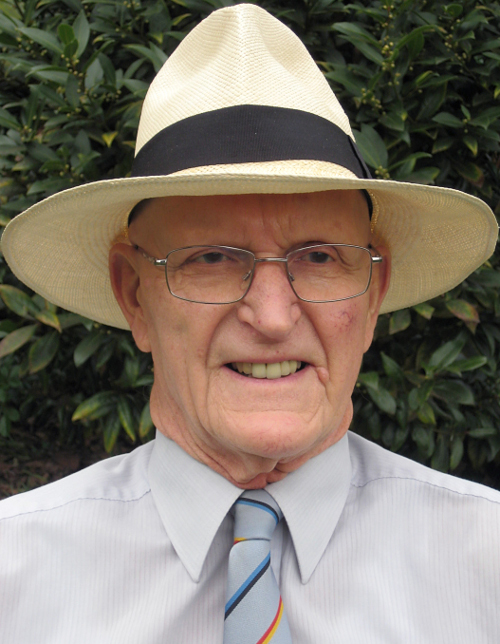 Bill Lamb
 Don Gaunt
 Paul Macdonald
© 2008-2012 The Croquet Association - www.croquet.org.uk